
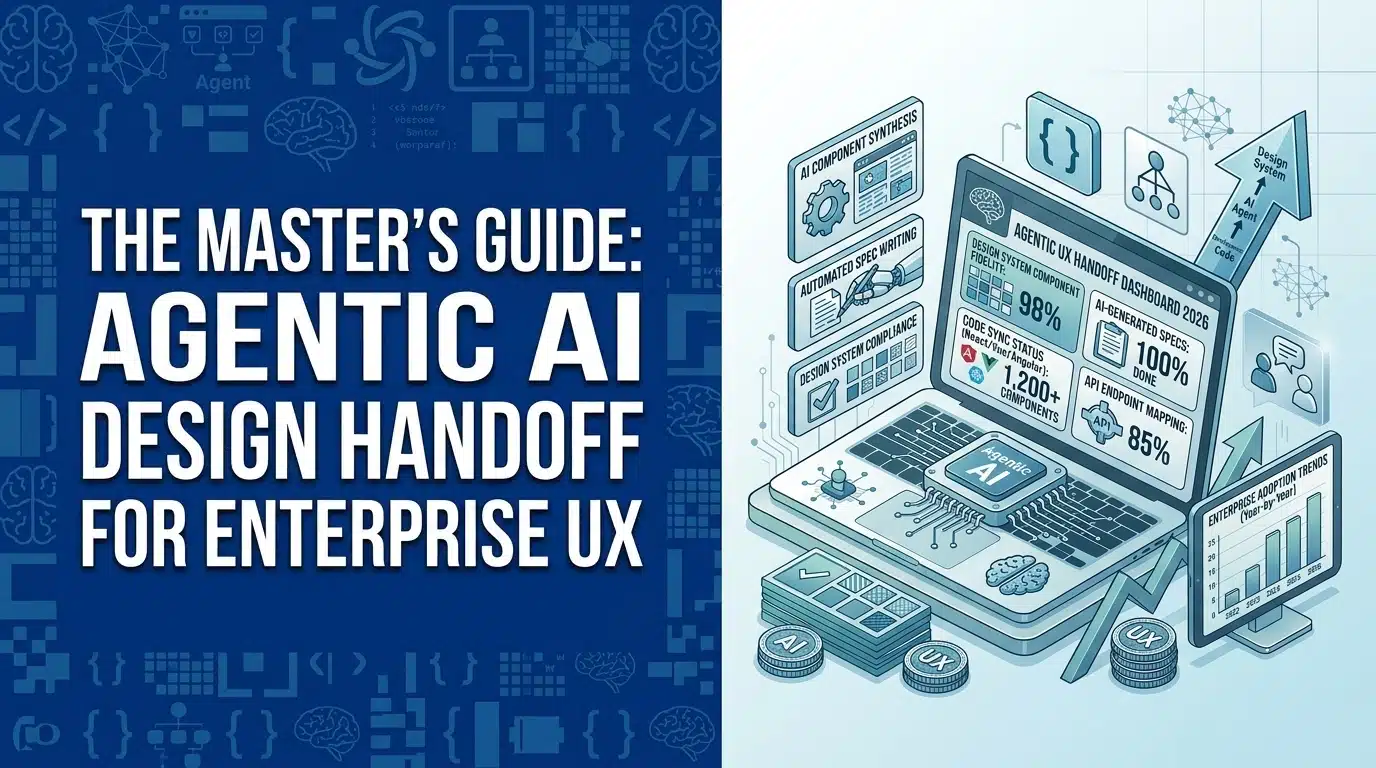
Agentic AI design handoff for Enterprise UX
The friction between visual design and frontend implementation represents one of the most expensive bottlenecks in enterprise software development. Historically, transferring static mockups to development teams resulted in lost design tokens, inaccurate spacing values, and rigid markup structures that failed to scale across dynamic data architectures. Transitioning ...

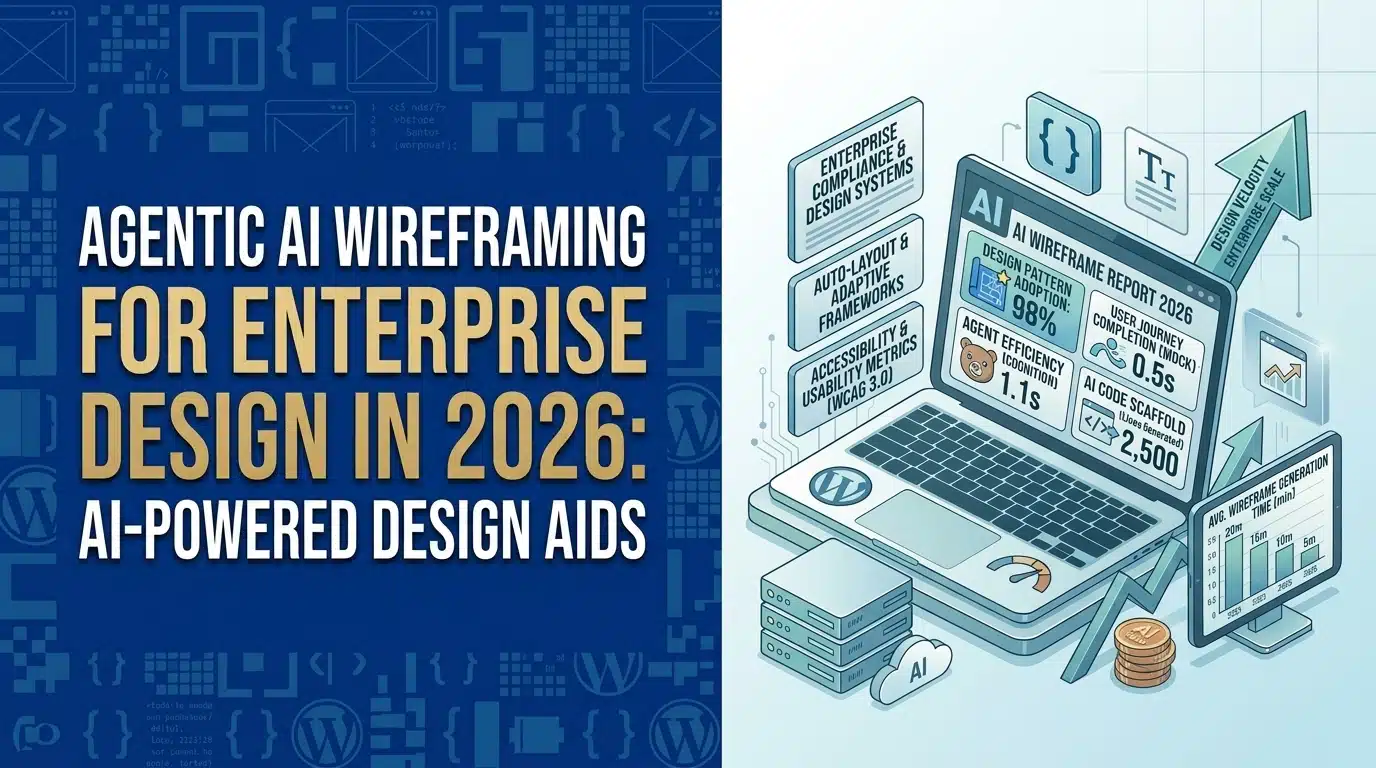
Agentic AI wireframing for Enterprise Design
The translation of abstract client requirements into functional digital interfaces represents one of the most resource intensive phases in enterprise web development. Historically, product managers and UX engineers spent weeks interpreting dense textual briefs, manually placing UI components, and iterating on low fidelity sketches before a client ...
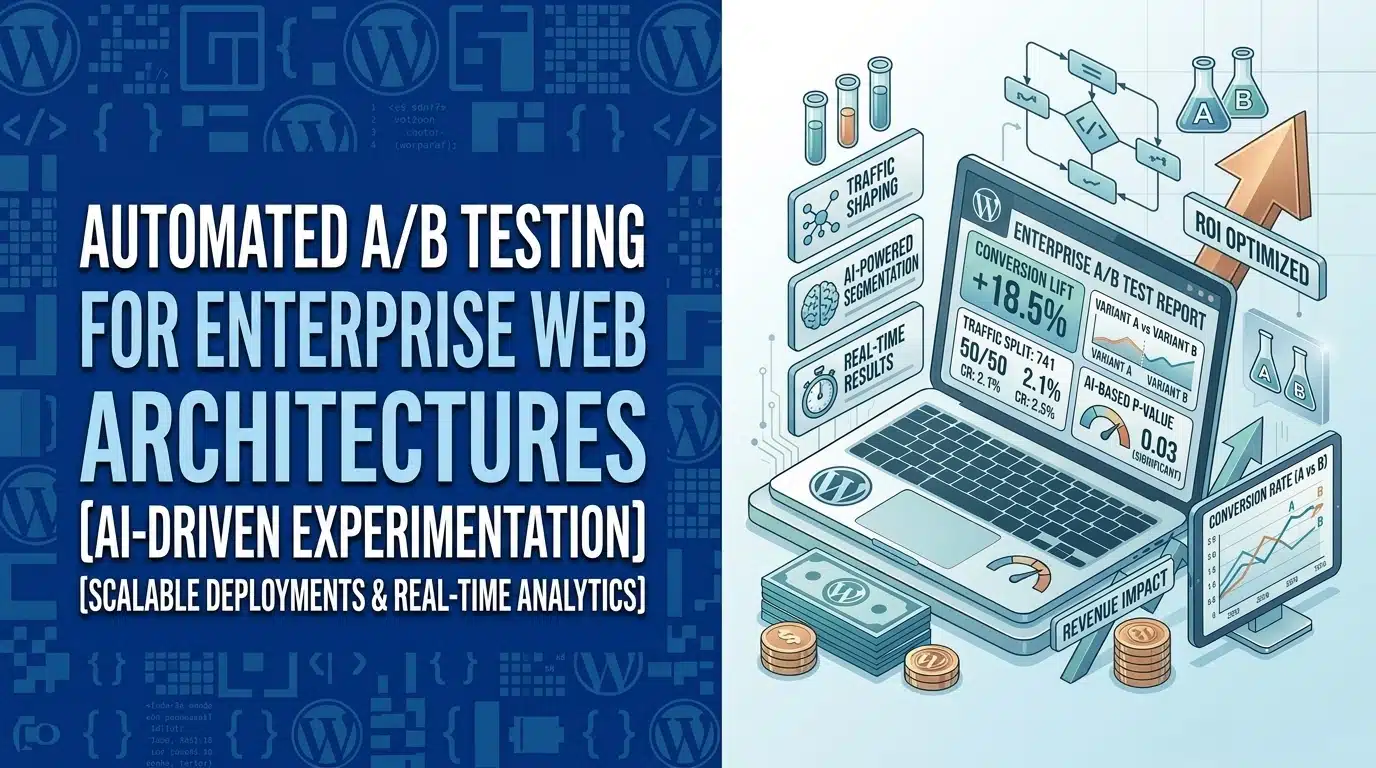
Automated AB Testing for Enterprise Web Architectures
Relying on manual experimentation platforms to determine the optimal configuration of digital interfaces restricts enterprise conversion velocity. When marketing teams manually split traffic between two static hero sections or call-to-action (CTA) buttons, they suffer from prolonged data collection periods and client-side rendering latency. Transitioning to algorithmic optimization ...
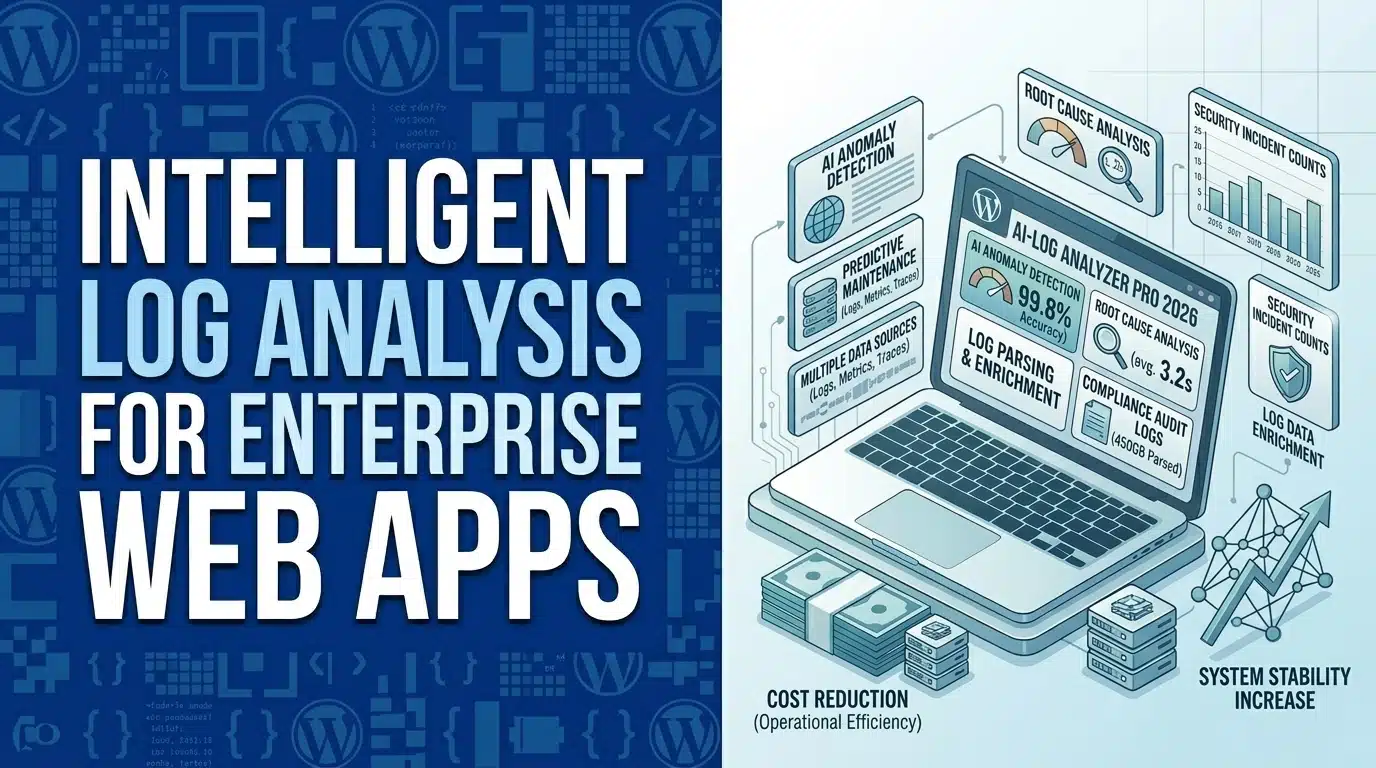
Intelligent Log Analysis for Enterprise Web Apps
Modern enterprise web applications generate massive volumes of server logs, making manual error tracking an impossible task for engineering teams. When a critical microservice crashes across a globally distributed architecture, identifying the root cause by manually grepping through gigabytes of terminal output creates unacceptable resolution delays. Transitioning ...
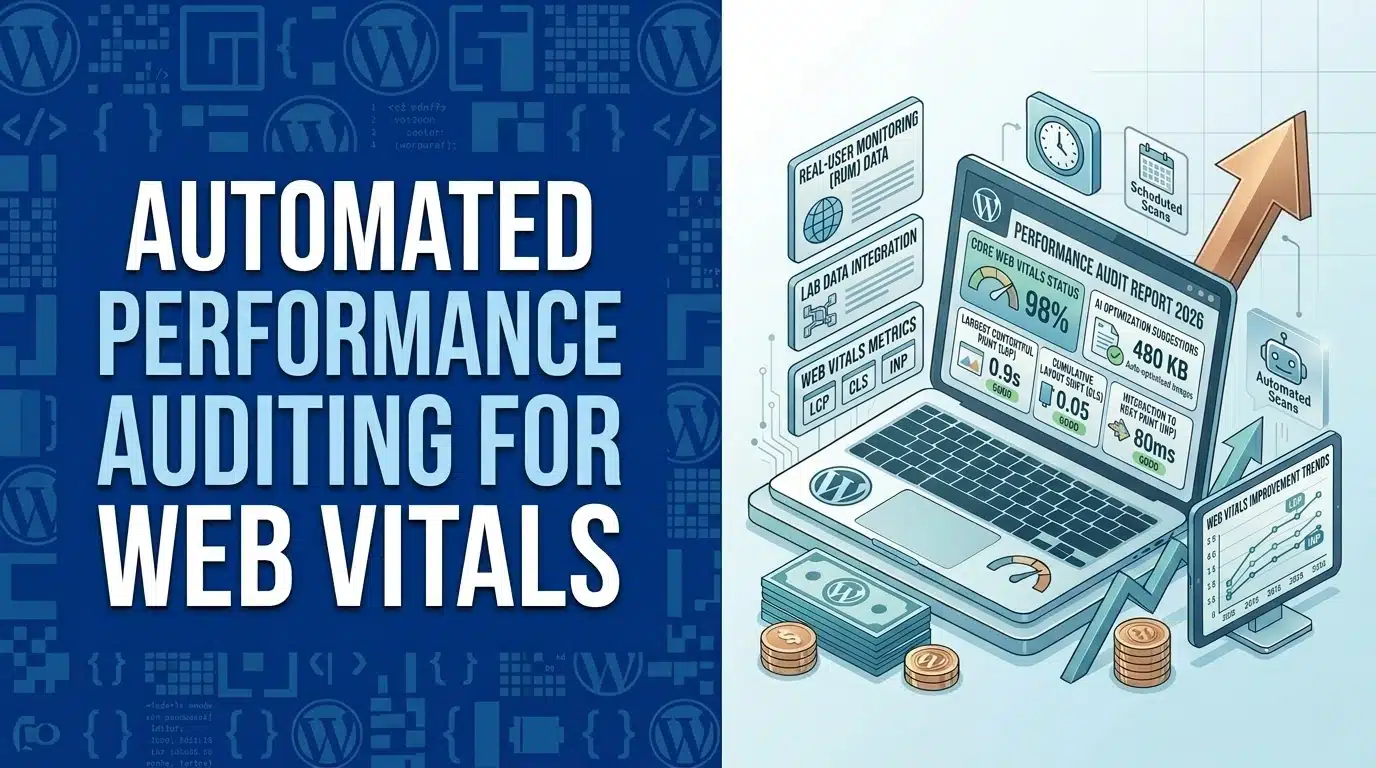
Automated Performance Auditing for Web Vitals
Maintaining passing scores for Core Web Vitals across a sprawling enterprise web architecture is mathematically impossible when relying on manual testing. Traditionally, engineering teams wait for search console warnings or monthly Lighthouse reports to identify degraded Largest Contentful Paint (LCP) or Cumulative Layout Shift (CLS) metrics. This ...
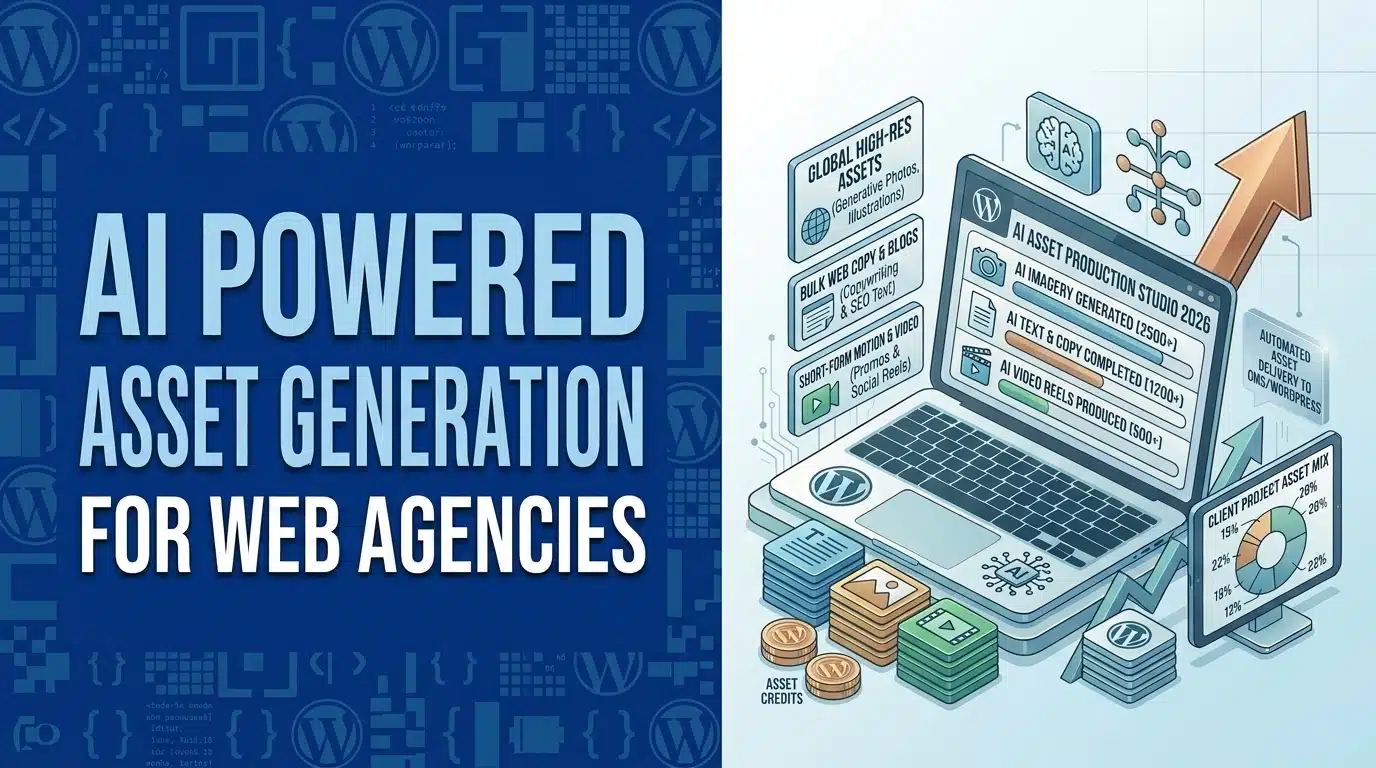
AI Powered Asset Generation for Web Agencies
The visual demands of modern web development place a massive strain on design and content teams. Producing high-quality hero graphics, localized marketing images, and perfectly optimized thumbnails for thousands of web pages traditionally requires extensive manual labor in editing software. When scaling an enterprise architecture or managing ...
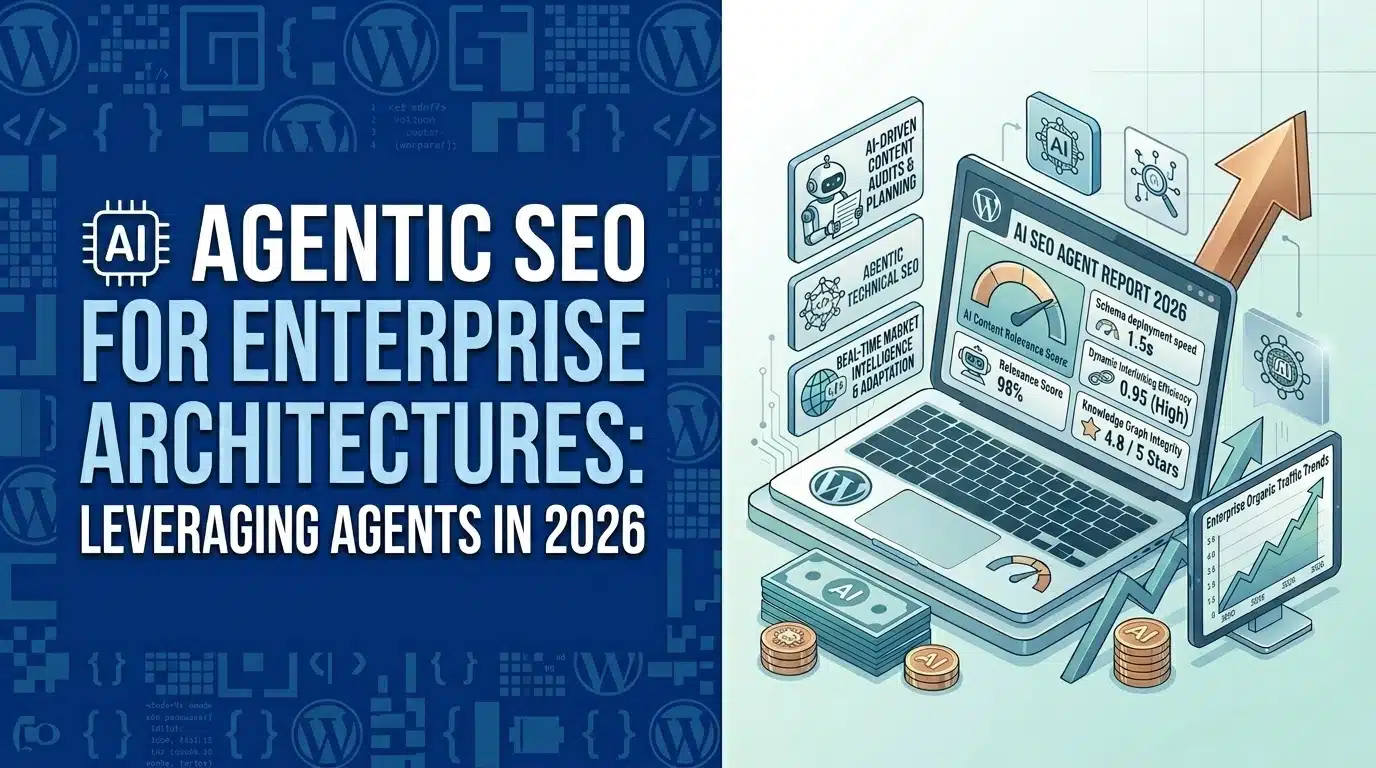
AI agentic SEO for Enterprise Architectures
The traditional approach to search engine optimization relies heavily on periodic, manual intervention to diagnose site architecture, extract keyword opportunities, and benchmark competitive gaps. In high-throughput enterprise environments, this reactive model creates severe lag times between discovering a shift in search intent and deploying an optimized response. ...
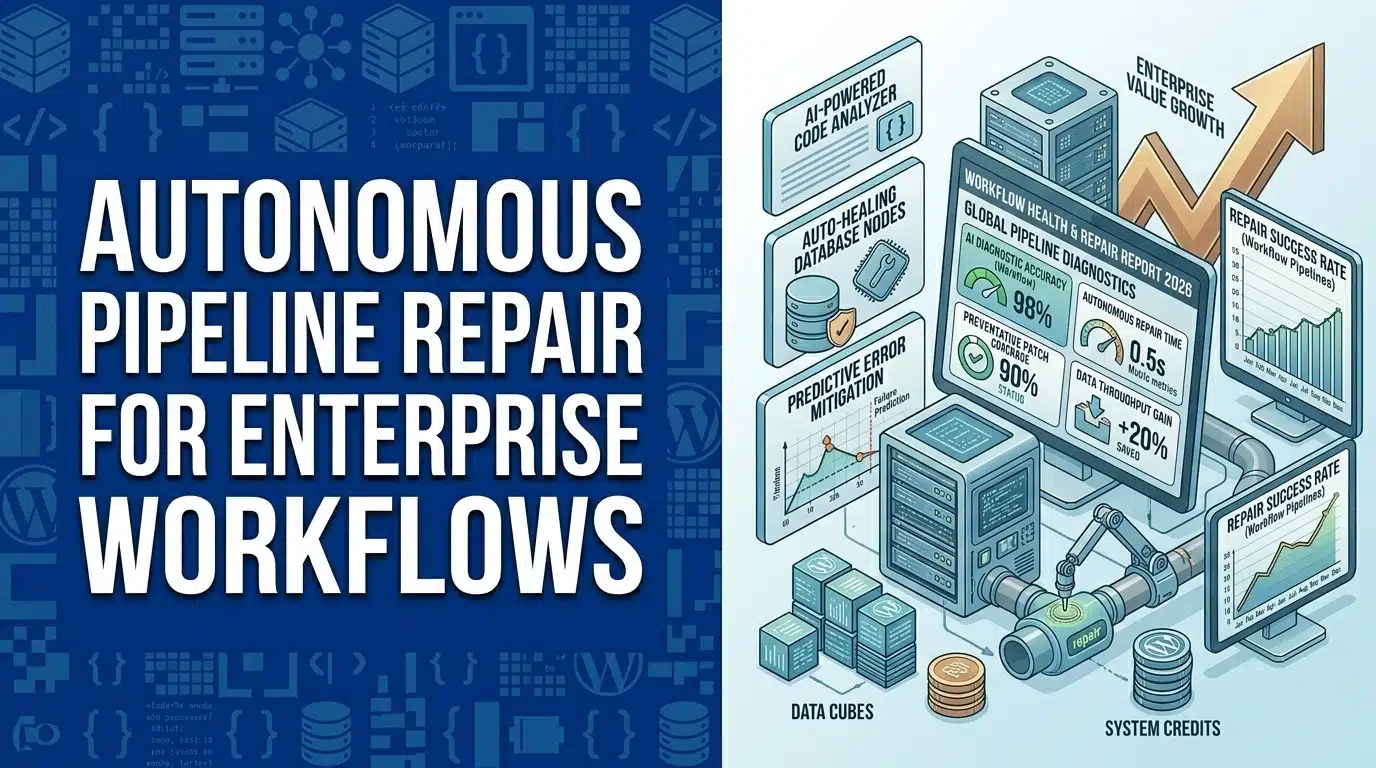
Autonomous pipeline repair for Enterprise Workflows
The modern software development lifecycle relies heavily on automated testing to prevent regressions, but the manual remediation of broken builds remains a massive efficiency drain. When a continuous workflow fails due to a stale dependency, a minor linting violation, or a broken test assertion, a developer must ...
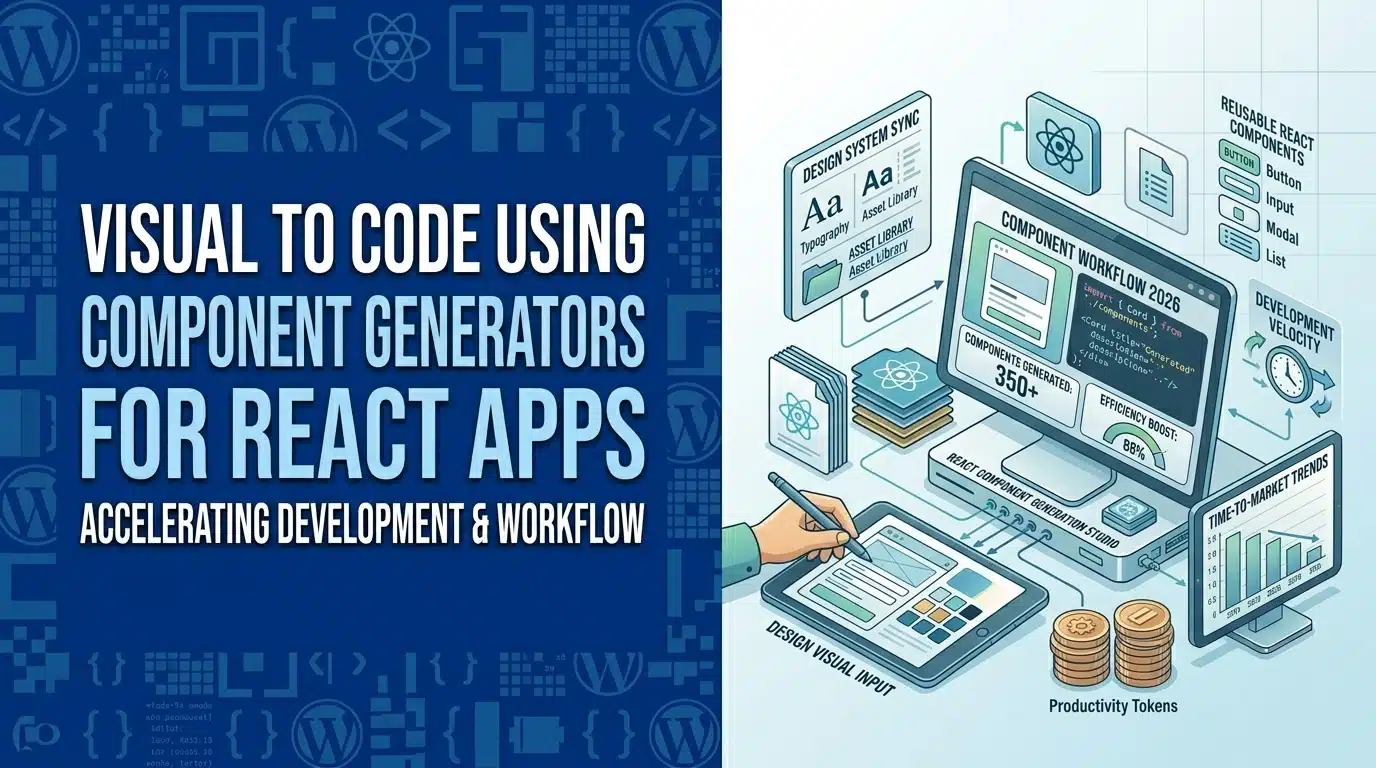
Visual to Code Using Component Generators for React Apps
The gap between finalizing a digital design and deploying functional frontend code has traditionally been the most expensive phase of web development. Historically, translating static vector graphics into responsive layouts required engineers to manually extract CSS values, reconstruct flexbox properties, and write boilerplate state management logic. This ...
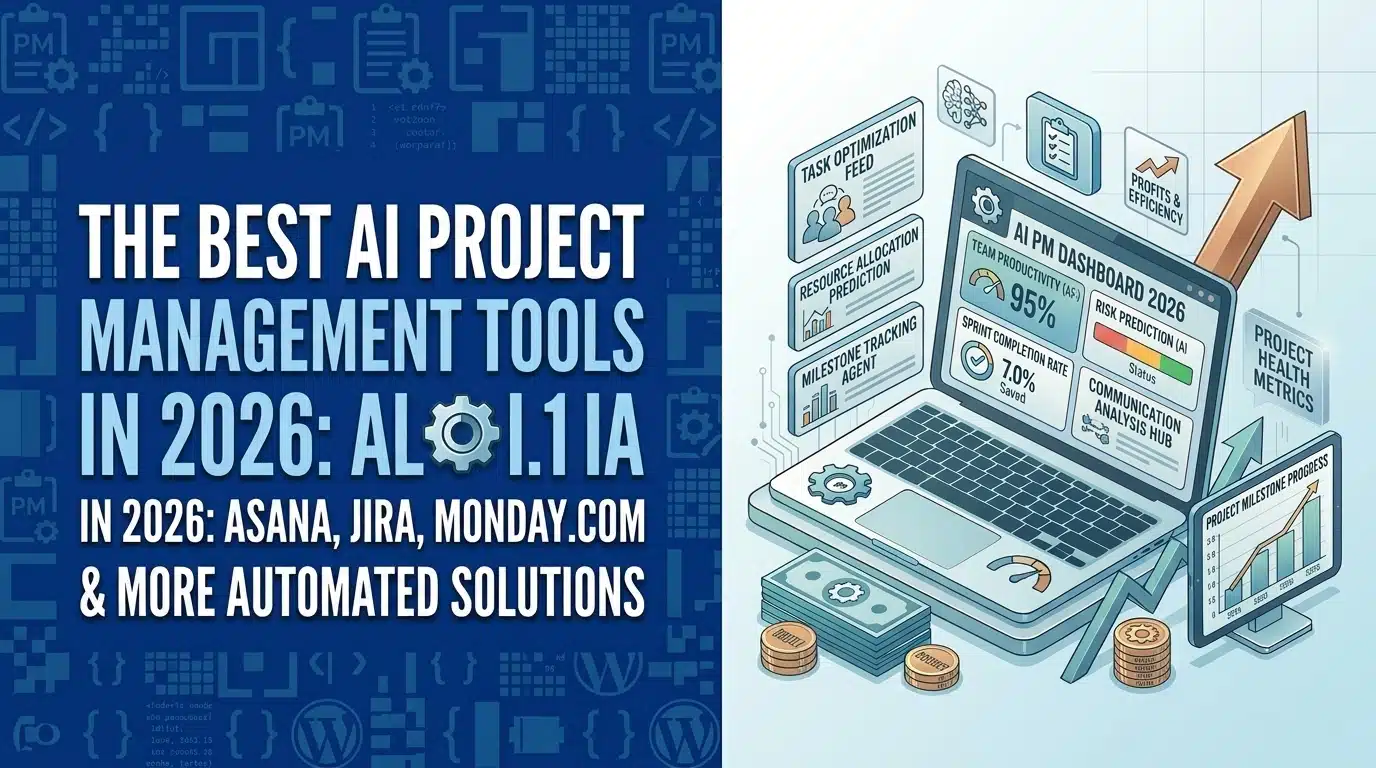
AI project managers for Web Development
The operational overhead of managing web development cycles often consumes the very engineering hours it is meant to optimize. When digital agencies and software teams rely on human product owners to manually estimate story points, chase status updates across messaging channels, and rebalance sprint capacities, project velocity ...