
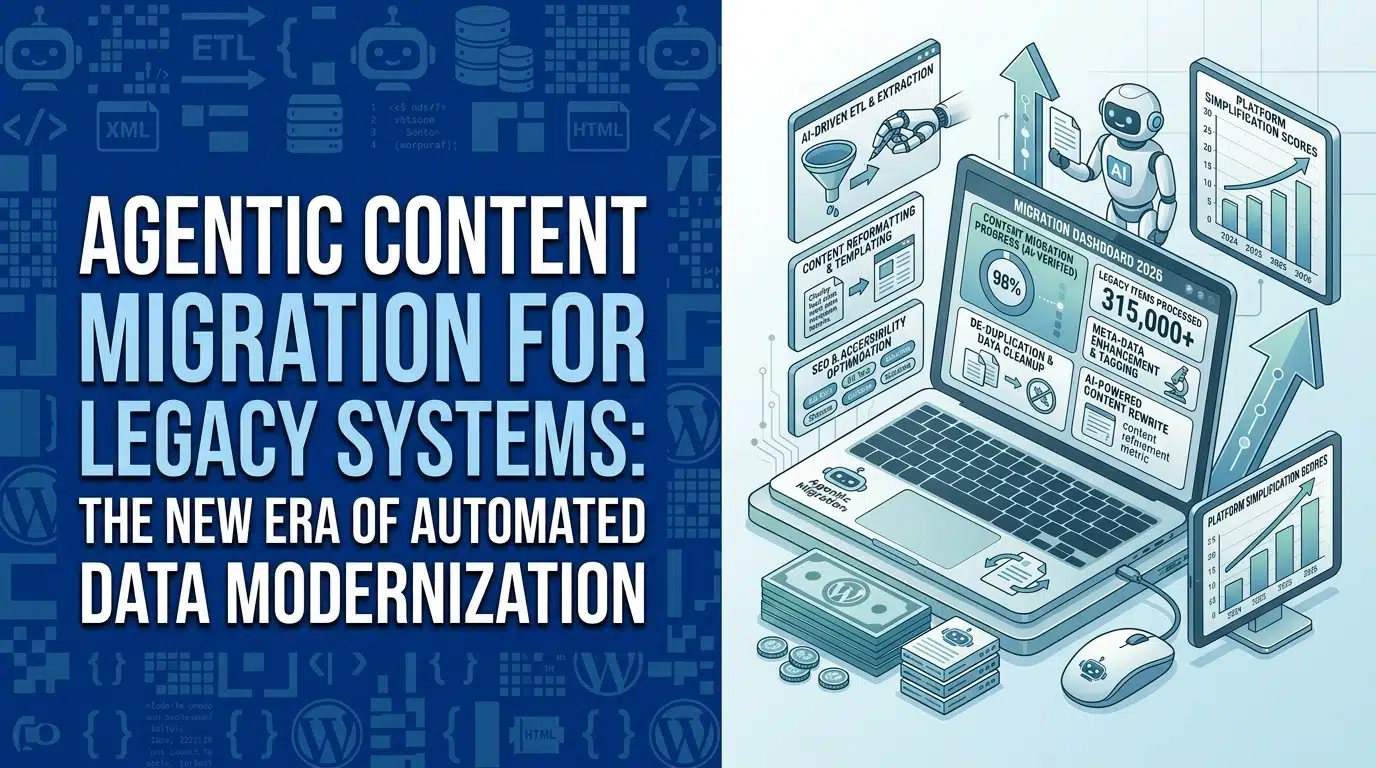
Agentic Content Migration for Legacy Systems
Migrating enterprise web environments away from monolithic legacy platforms is notoriously risky and labor intensive. Historically, moving thousands of web pages, custom post types, and media assets required massive engineering teams to manually map database fields and rewrite broken HTML structures. Transitioning to an autonomous migration architecture ...

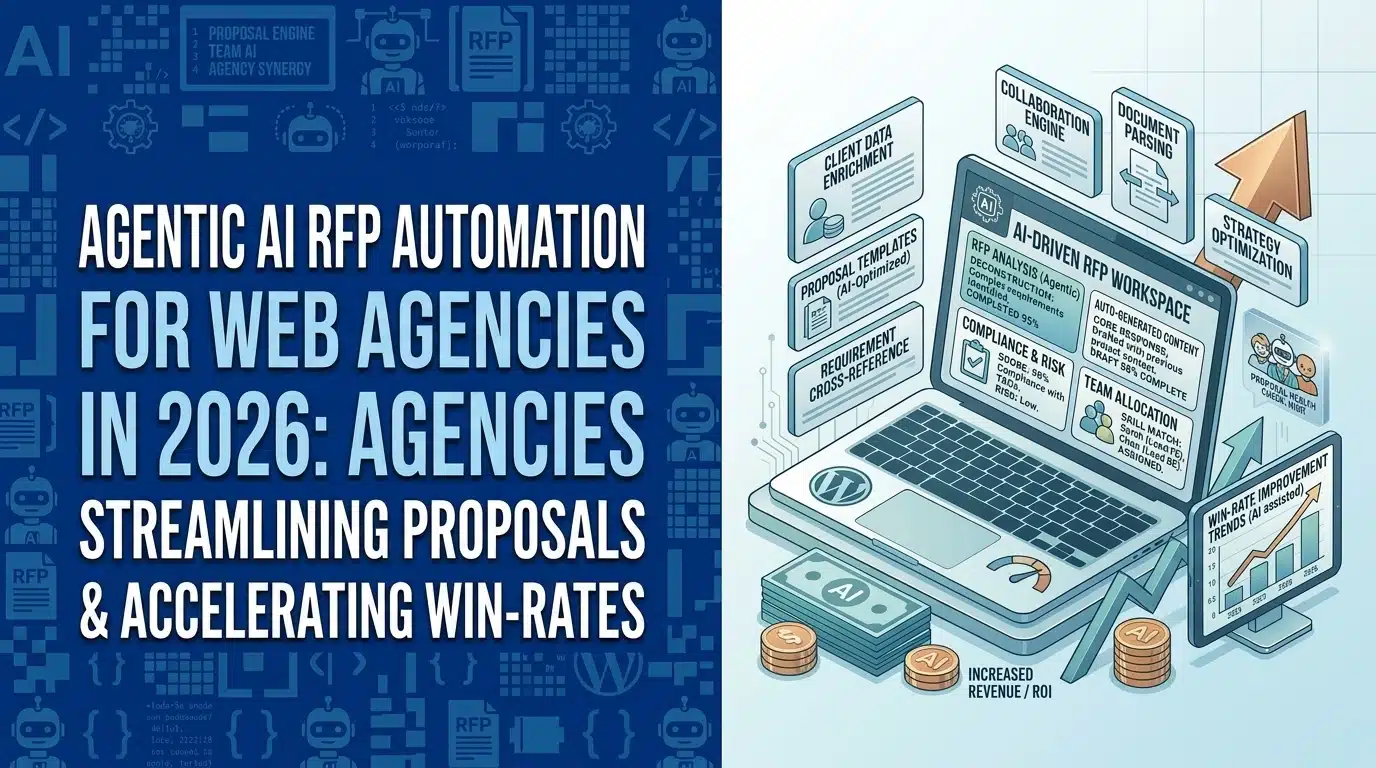
Agentic AI RFP automation for Web Agencies
The traditional process of responding to enterprise requests for proposals consumes an enormous amount of highly skilled engineering and sales resources. When a web agency receives a dense, multi-tabbed security questionnaire or a complex technical requirements document, subject matter experts are forced to abandon billable work to ...
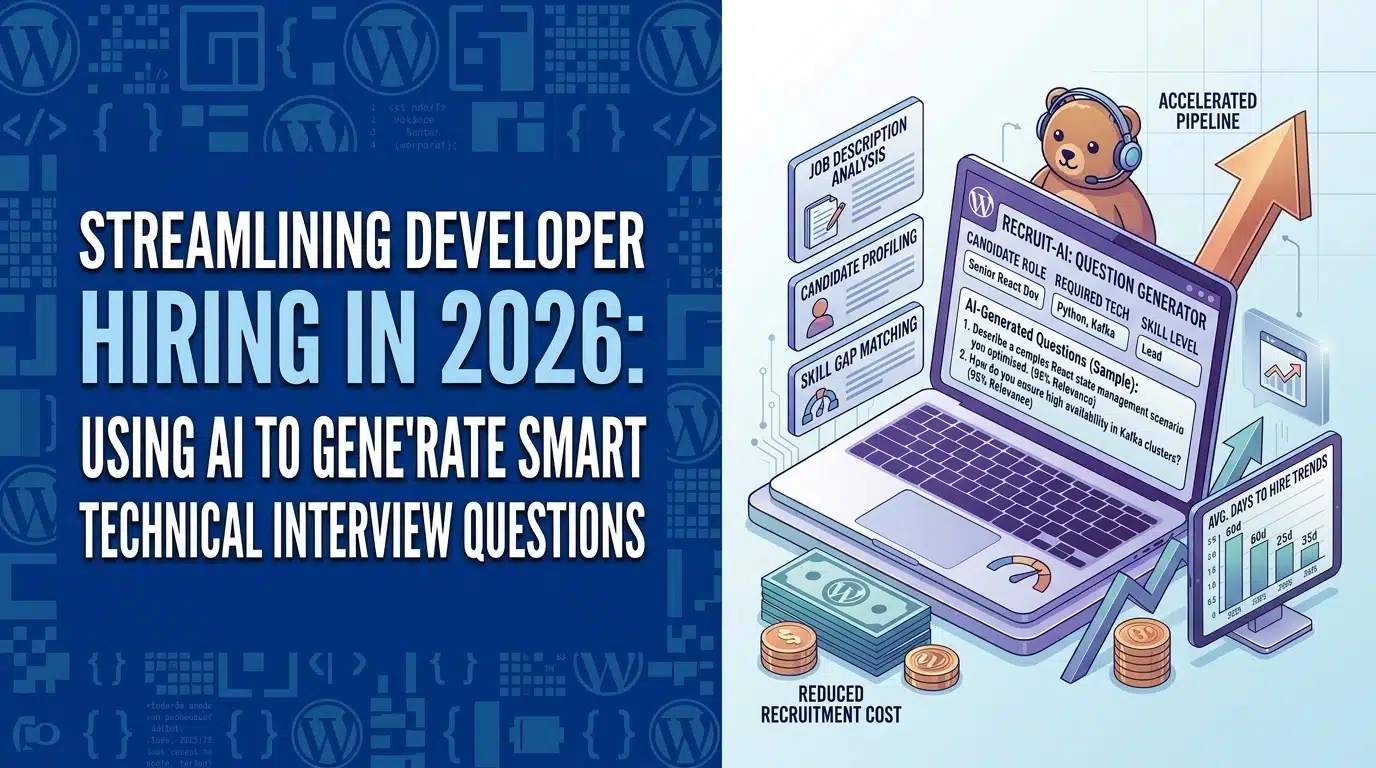
AI technical interview questions for Engineering Teams
The engineering recruitment pipeline is notoriously fragile, often relying on static, generic coding assessments that fail to evaluate a candidate's true capability within a specific enterprise environment. When scaling a technical team, depending on human engineers to manually draft complex systems design prompts or microservice debugging scenarios ...
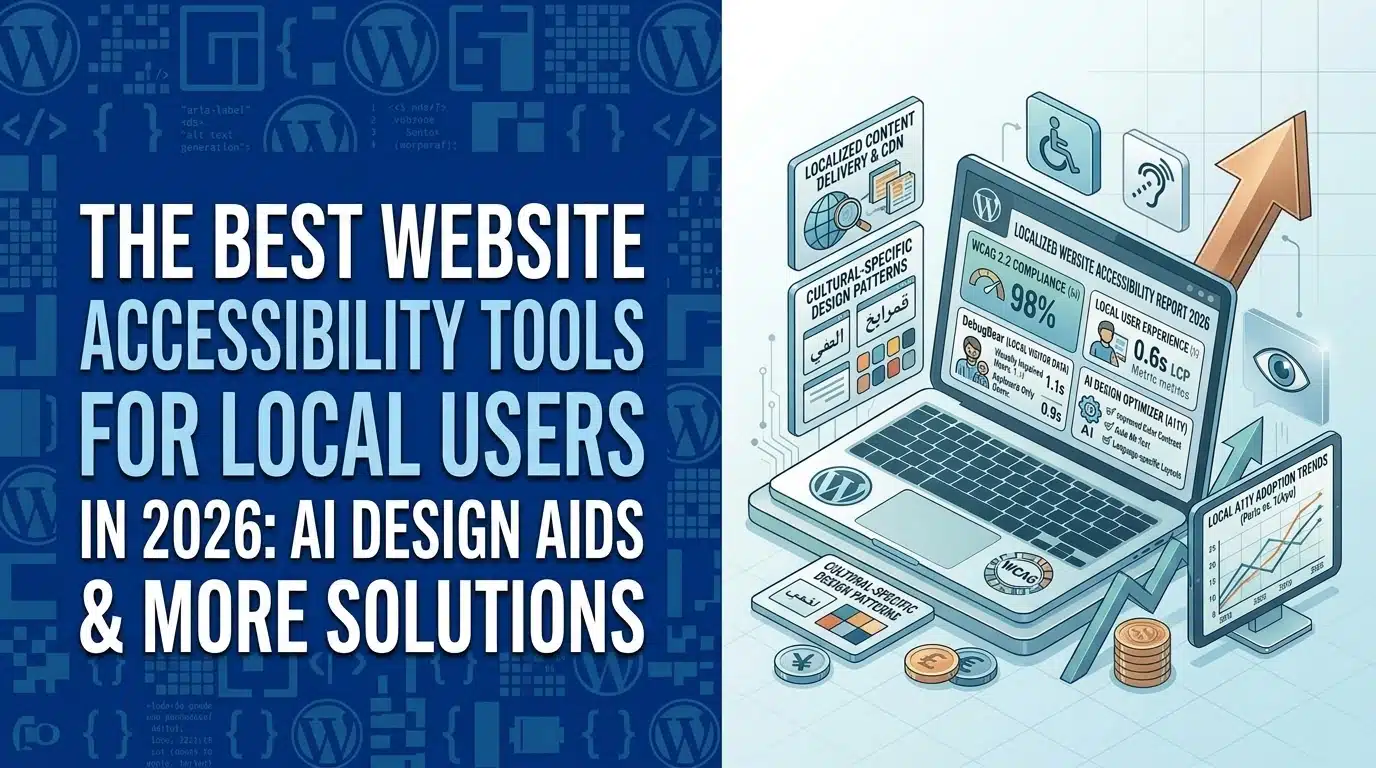
Enhancing website accessibility for local users with AI-driven design suggestions
Ensuring digital accessibility across localized enterprise platforms requires more than manual audits and static contrast checkers. When operating high-throughput applications, front-end engineers constantly push dynamic UI components that risk violating regional compliance standards and Web Content Accessibility Guidelines (WCAG). Relying on post-deployment human reviews creates a structural ...
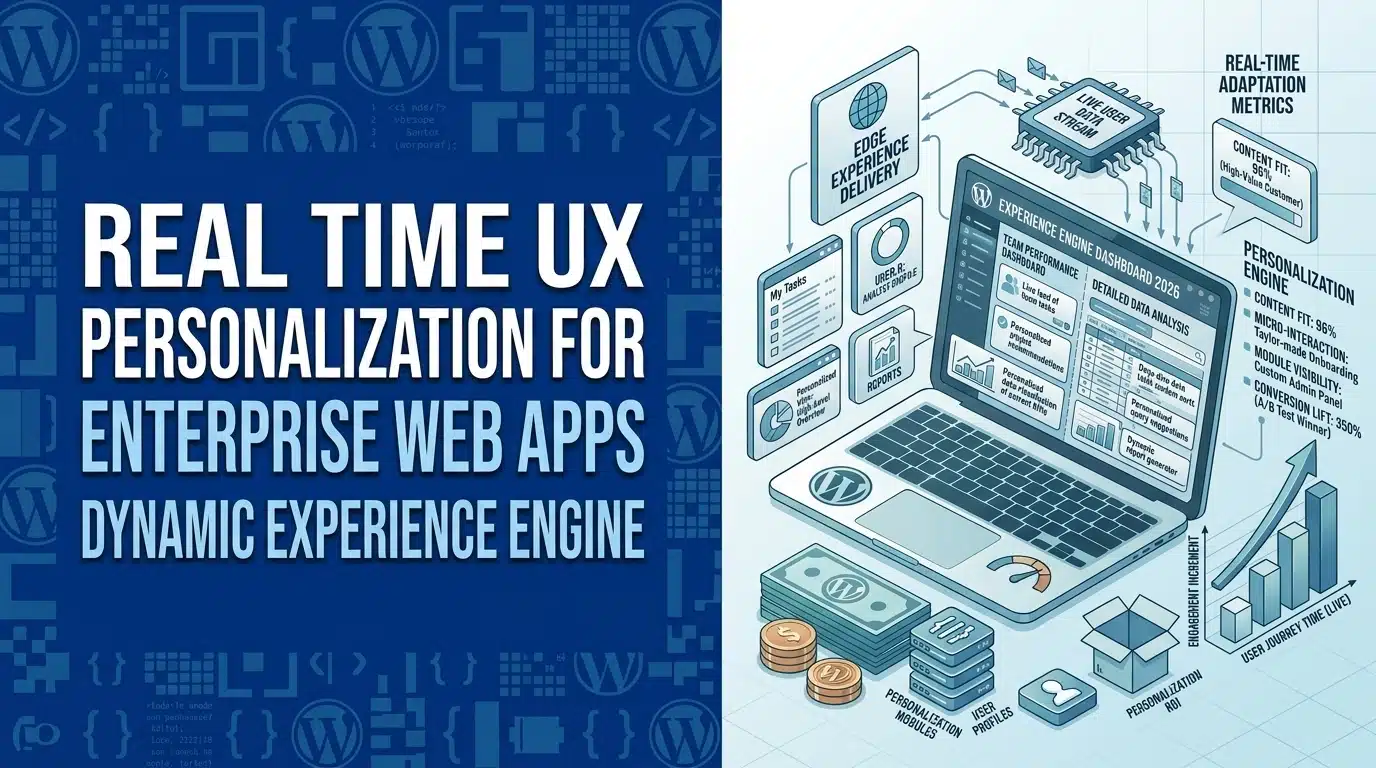
Real Time UX Personalization for Enterprise Web Apps
The architecture of modern digital experiences demands an immediate transition from static content delivery to highly dynamic, context-aware user interfaces. Historically, marketing and engineering teams attempted to tailor web environments by injecting bloated client-side JavaScript, which severely degraded core web vitals and caused unacceptable layout shifts. By ...
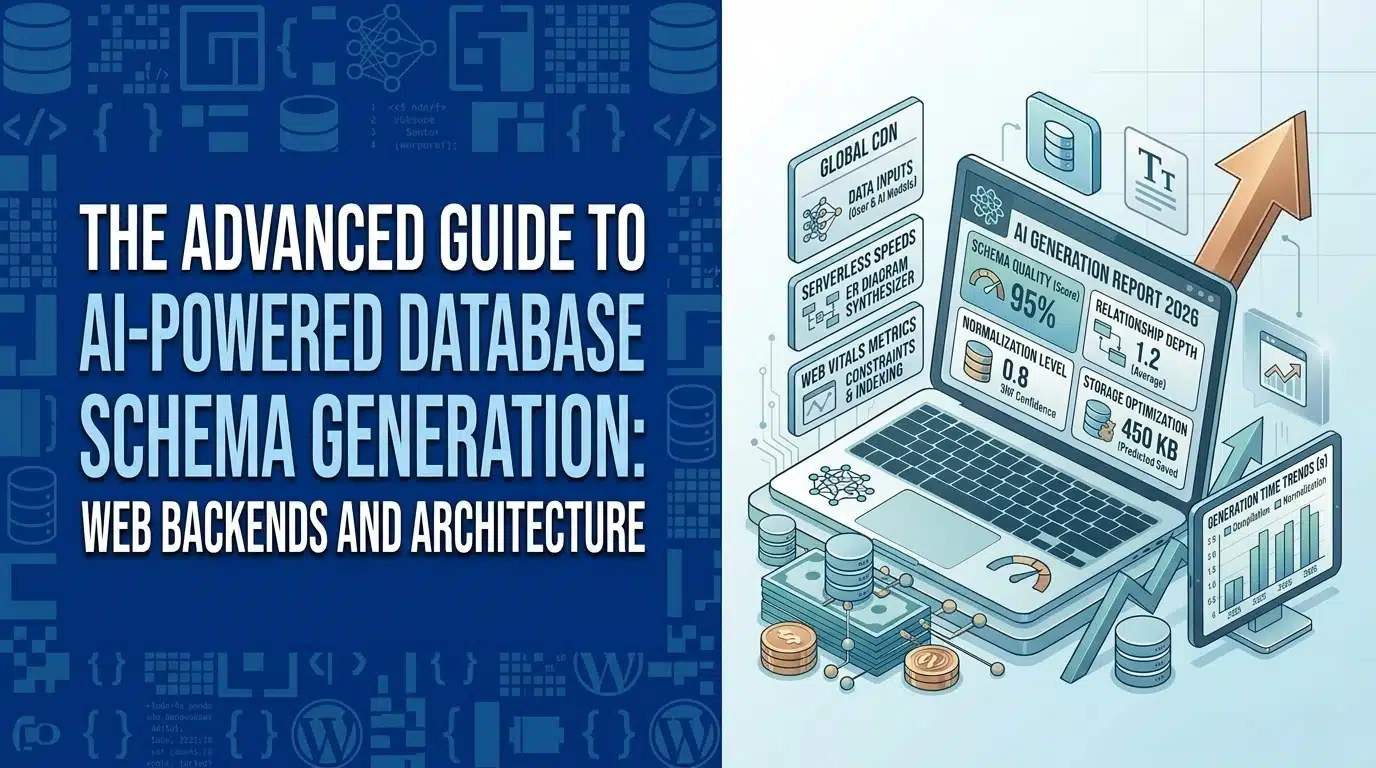
AI database schema generation for Web Backend
Architecting robust data layers for distributed enterprise applications traditionally demands days of manual entity relationship mapping and constraint configuration. When systems engineers build high-throughput microservices, ensuring optimal normalization, defining cascading deletion rules, and establishing composite indexes are critical steps that leave zero room for human error. Transitioning ...
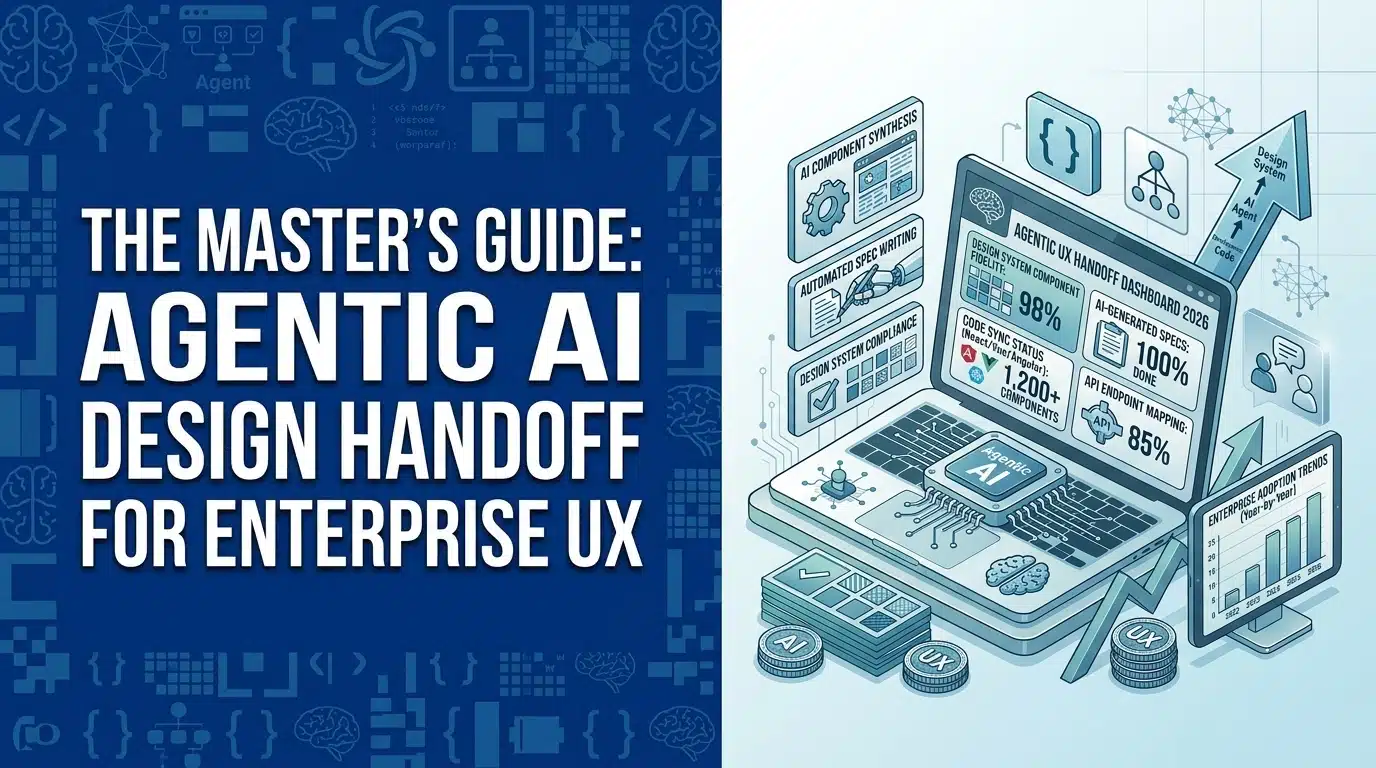
Agentic AI design handoff for Enterprise UX
The friction between visual design and frontend implementation represents one of the most expensive bottlenecks in enterprise software development. Historically, transferring static mockups to development teams resulted in lost design tokens, inaccurate spacing values, and rigid markup structures that failed to scale across dynamic data architectures. Transitioning ...
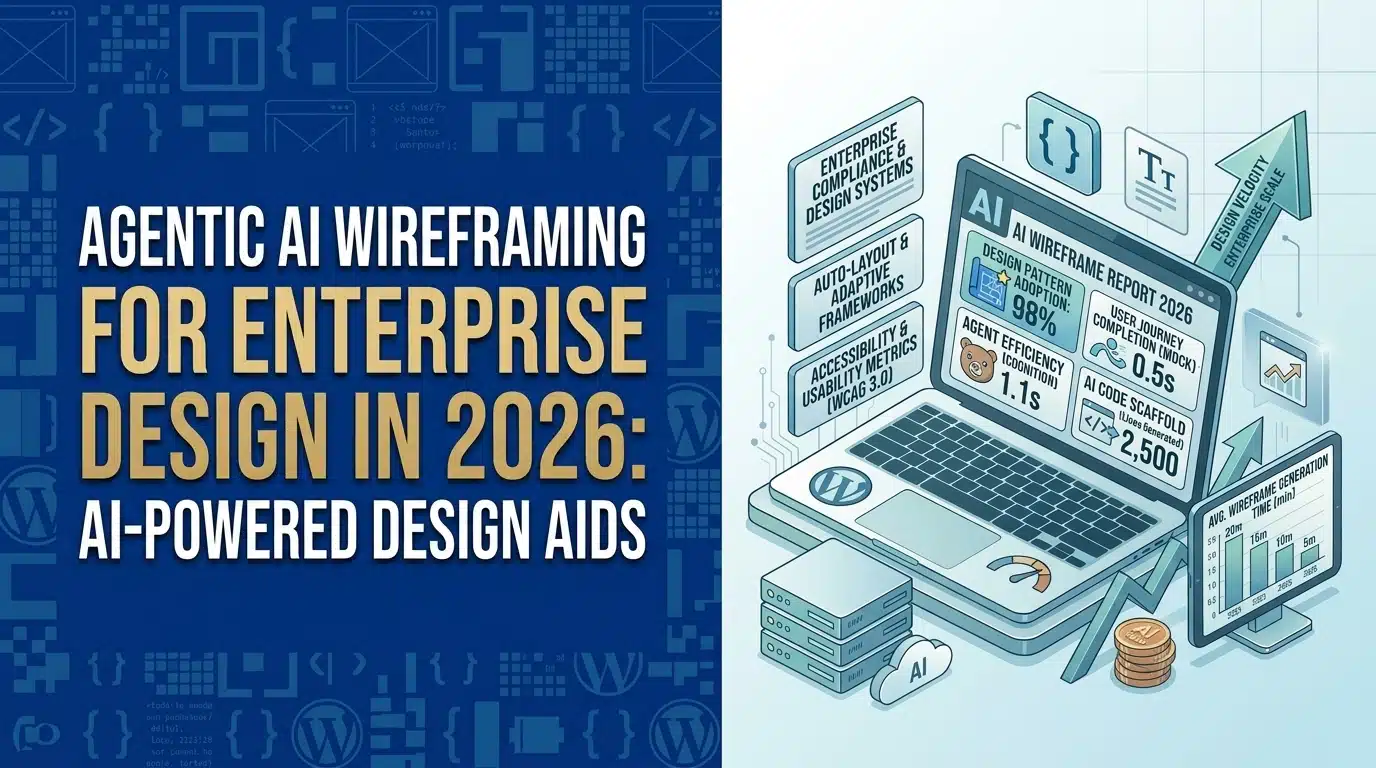
Agentic AI wireframing for Enterprise Design
The translation of abstract client requirements into functional digital interfaces represents one of the most resource intensive phases in enterprise web development. Historically, product managers and UX engineers spent weeks interpreting dense textual briefs, manually placing UI components, and iterating on low fidelity sketches before a client ...
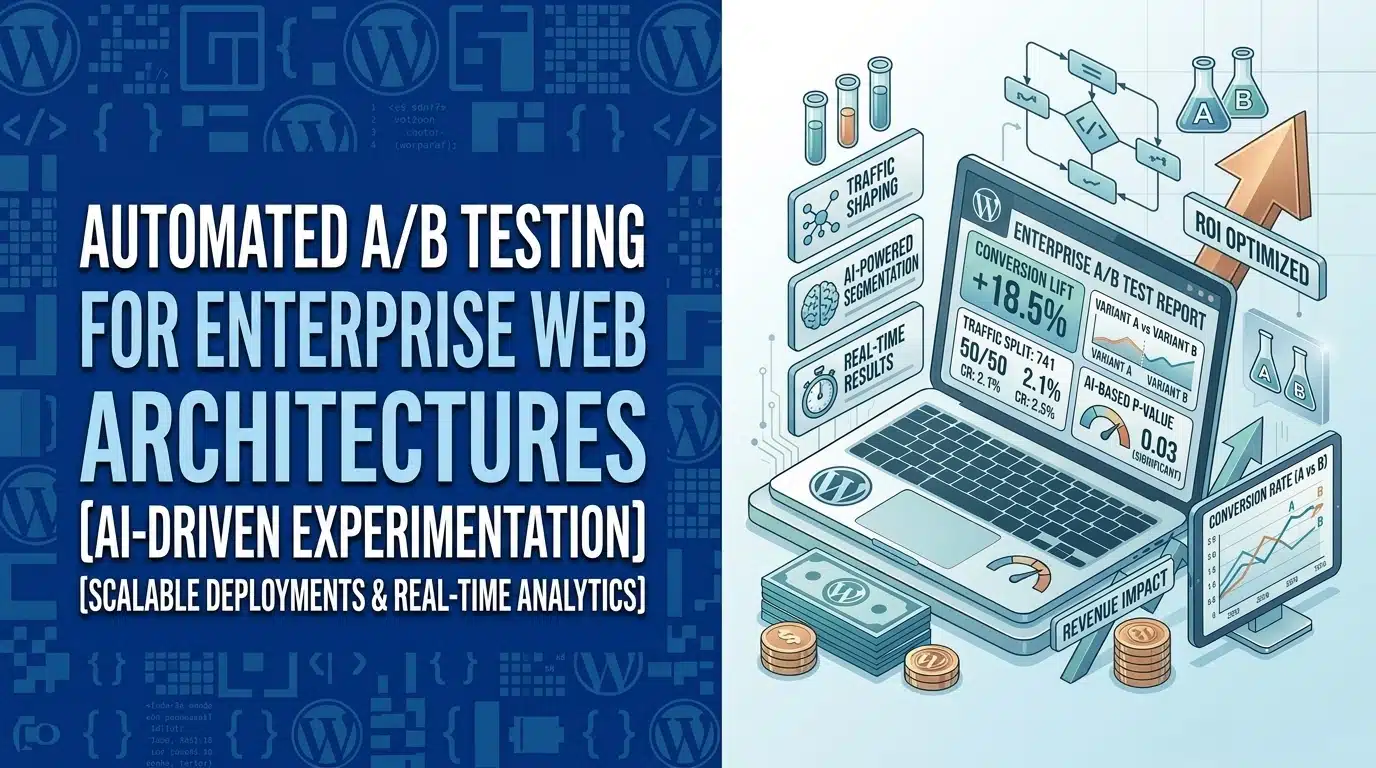
Automated AB Testing for Enterprise Web Architectures
Relying on manual experimentation platforms to determine the optimal configuration of digital interfaces restricts enterprise conversion velocity. When marketing teams manually split traffic between two static hero sections or call-to-action (CTA) buttons, they suffer from prolonged data collection periods and client-side rendering latency. Transitioning to algorithmic optimization ...
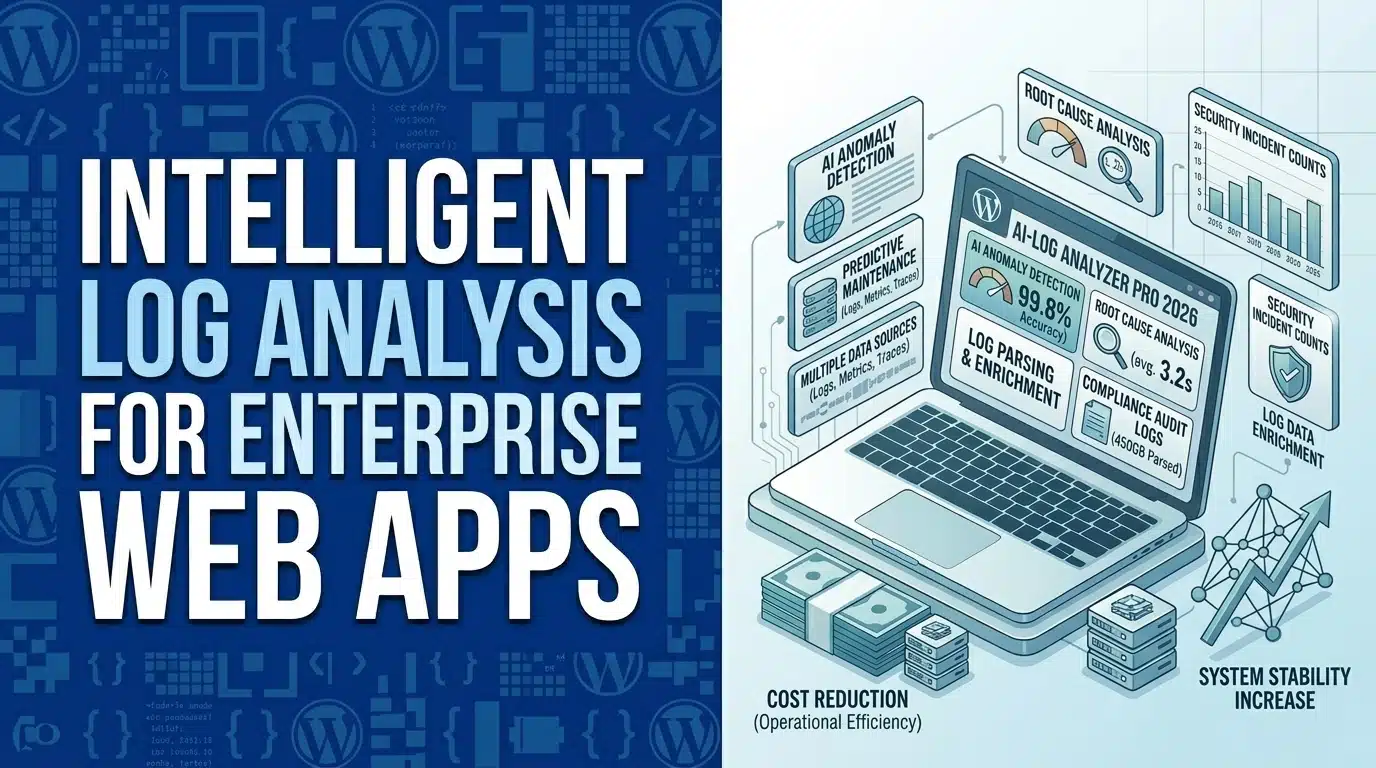
Intelligent Log Analysis for Enterprise Web Apps
Modern enterprise web applications generate massive volumes of server logs, making manual error tracking an impossible task for engineering teams. When a critical microservice crashes across a globally distributed architecture, identifying the root cause by manually grepping through gigabytes of terminal output creates unacceptable resolution delays. Transitioning ...